
A Tale of Free-Fall and Redemption
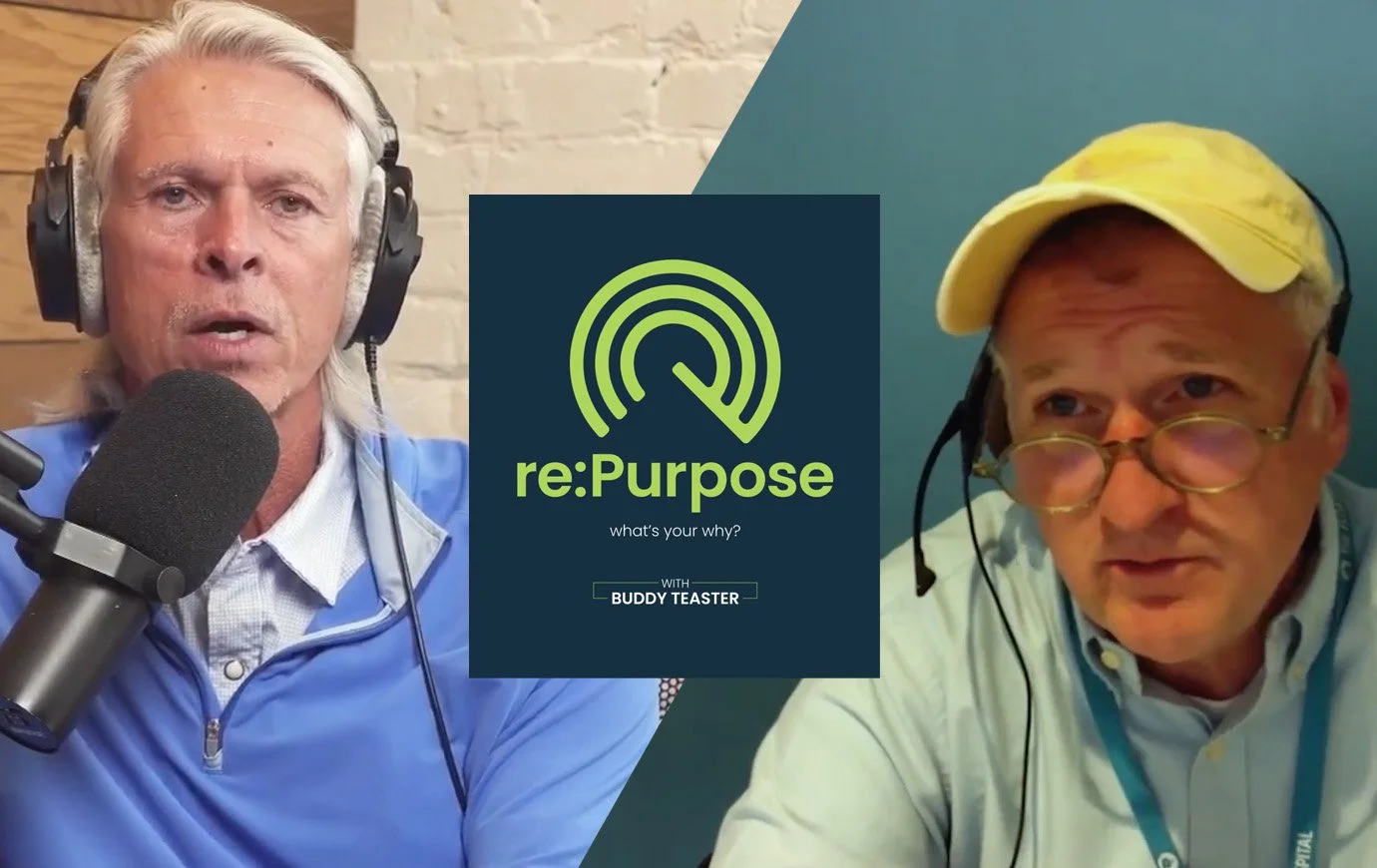
Floating Hospital President Sean Granahan has a tale to tell, one of dramatic free-fall and hard-fought redemption — the story of The Floating Hospital itself.
It’s a story that captivated Buddy Teaster, chief executive officer of Soles4Souls and host of the re:Purpose podcast, where Granahan sat down recently for an episode titled Stewardship over Spotlight: Sean Granahan and the Quiet Turnaround of The Floating Hospital.
From partnership to podcast
Since 2022, Teaster and Soles4Souls have been strong supporters of The Floating Hospital's relief efforts for the homeless families we serve. It began with a donation of 300 new pairs of socks and 150 sneakers to teens attending Camp Rise Up, our weeklong sleepaway camp focused on physical and emotional health education in the Hudson Valley. Over the years, their generosity has grown tenfold to include additional donations for Candy Cane Lane and back-to-school events, as well as t-shirts and hoodies.
It was at a New York City event for his book Tailspin to Tailwind that Teaster first heard from Floating Hospital employees about Granahan's remarkable institutional turnaround — from the brink of closure to the thriving operation it is today.
Granahan's connection to the hospital began when his law firm was retained to handle arbitration involving a former chief executive in the early 2000s. He took on the case, and soon transitioned to working for the hospital full time. He has not looked back.
A fateful breakfast
Yet, a couple of years after he started, Granahan was invited to breakfast by the hospital's board “to talk about a couple of things.” What followed was a pivotal moment. They presented him with his boss’s resignation letter and his recommendation that Granahan, as a regulatory lawyer, shut down the organization. The accumulated debt was significant, more than the hospital was likely to recover.
“The Floating Hospital is a very kind place. There should be a place in New York City for exceptionally kind people doing exceptionally kind things.”
“Give me six months,” he told the board. “If I can sort it out for you, I'll sort it out. If I can’t… I’ll close it” — and without liability. It was quite a promise, but it’s not a “spoiler” to reveal that in our 160th anniversary year, the hospital has never been healthier.
A very kind place
What made Granahan believe the hospital was worth saving? In addition to the mission, it was the people. He trusted and respected the organization’s employees, many of whom are still here today. “The Floating Hospital is a very kind place,” he said to Teaster. “There should be a place in New York City for exceptionally kind people doing exceptionally kind things.” That conviction drove him then, and it still defines our culture.
Listen to Granahan speak about his fascinating background, his work in the aftermath of the World Trade Center collapse, and his turnaround of an institution “older than aspirin and penicillin” that is now the largest provider of healthcare to families living in homeless shelters and domestic violence safe houses in New York City.