
A Spark That Grows from Campfire to Career
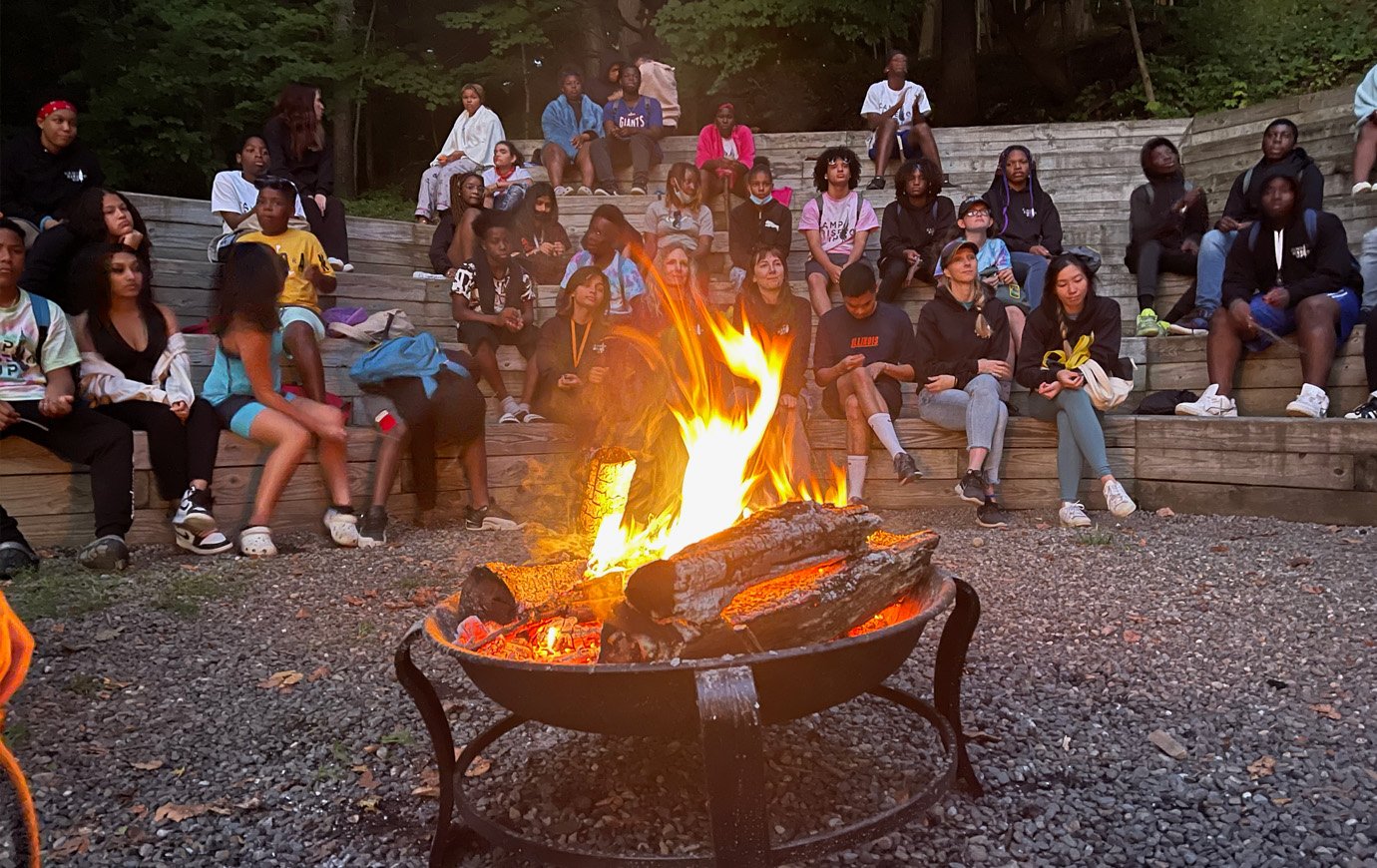
Eight years ago, The Floating Hospital lit its first campfire, and ignited something even more meaningful. What began as a single program has become a flourishing suite of free health education camps that each summer give more than 100 children in temporary housing tools that can help them build stable and productive futures.
These weeklong intensive health education programs—Journey, SOAR, and Camp Rise Up (CRU)—serve children ages 10 to 15 in a camp setting that makes self-discovery and building resilience feel like an adventure. For kids in temporary housing, whose daily lives are defined by instability, the programs offer a safe, structured, and playful space to grow.
Exceeding expectations
It all started with Camp Rise Up, our sleepaway camp in Rhinebeck, New York. Over six transformative days, campers explore the changes happening in their minds, bodies, and emotions while building practical skills for academic success and future employment. The full curriculum unfolds over three years, with each track building on the last. After completing all three years of coursework, campers can return as paid Counselors in Training and then as full counselors, turning program graduates into program leaders.
The results speak for themselves. Until this year, nearly every young person who completed all three years of CRU came back as a paid CIT and then counselor. This summer, for the first time, demand for those roles has exceeded availability. "Sadly, this is the first year I've had to say no to people," said Dr. Meghan Miller, director of The Floating Hospital's health education department. "More kids are attending all three years and applying to be counselors and CITs than we can accommodate. We've made sure we're choosing the best candidates, but it's been hard to say no to the others."
It is a remarkable problem to have and an indicator of what this program can offer to young people who see a way forward in this program.
Going beyond the campground
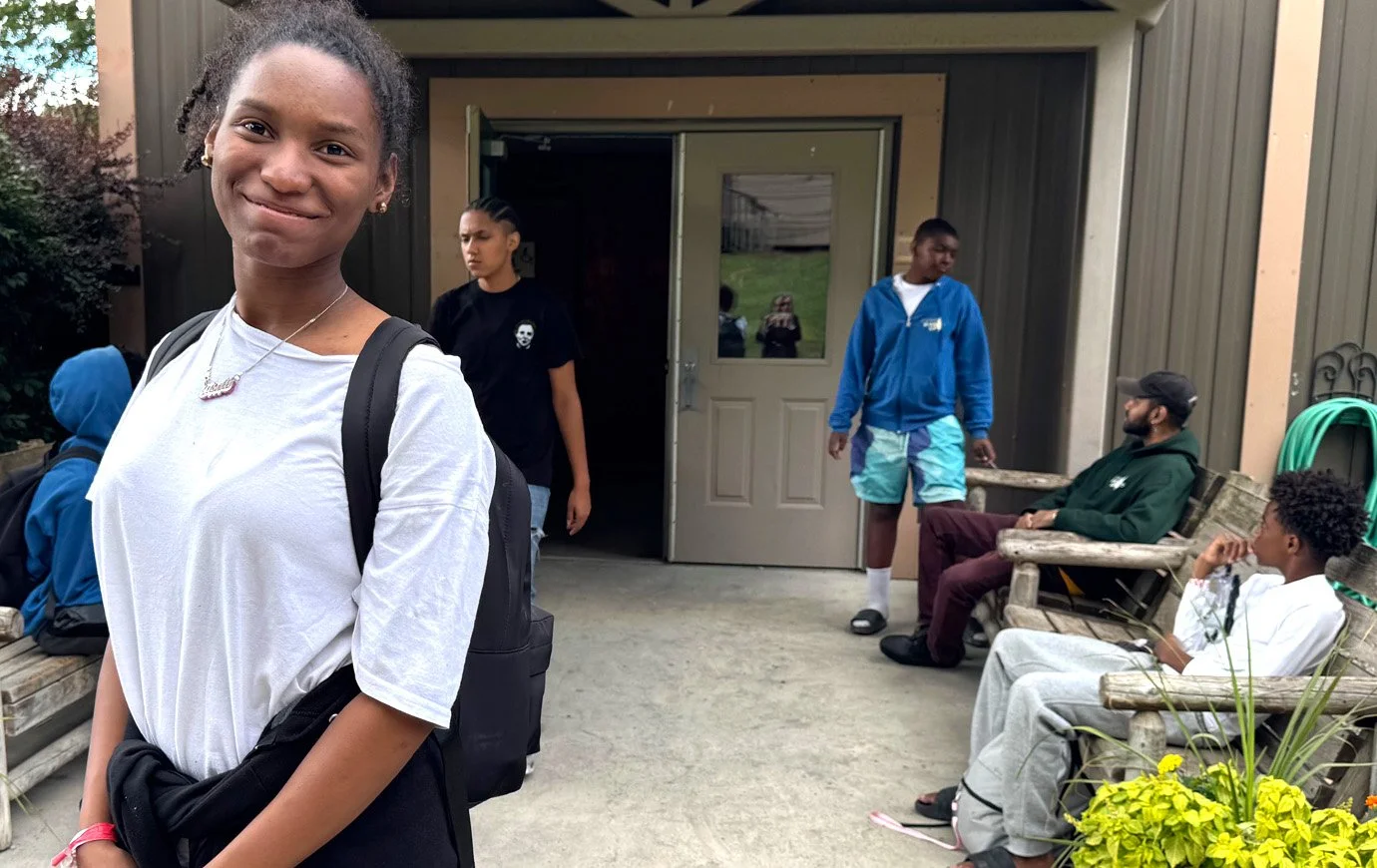
The trajectory extends beyond the Upstate campgrounds. Some camp graduates have become Floating Hospital summer interns, a few have become full-time employees, and many others have gone on to college. This year, CRU added a new module to its final track: a resume and mock interview workshop that prepares campers for both counselor applications and the broader job market. "This is what you need to do, these are the things you say," Miller explained. "It's educational, but it's also practical and real."
Enrollment for all three camps this summer is on track to meet goal attendance: about 40 new CRU campers, 60 returning CRU campers, and around 20 campers each for Journey and SOAR.
Meeting every child where they are
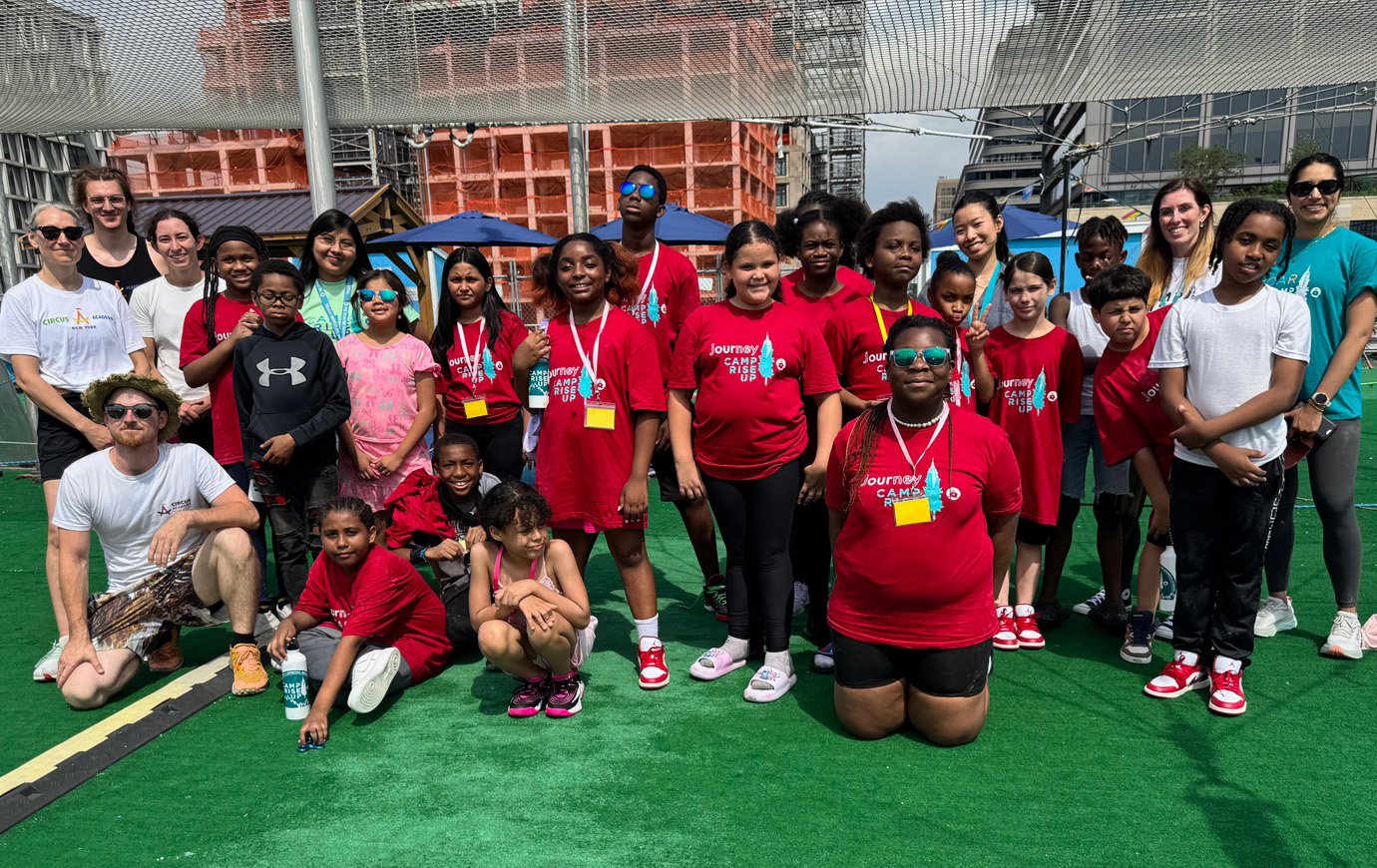
Journey, now in its second year, is a day camp for children ages 10 and 11 that serves as an introduction to the CRU experience. Held in our health education classroom, mornings focus on five foundational subjects — self-esteem and identity, communication, bullying, healthy living, and puberty — that preview the first year of CRU coursework. Afternoons bring the fun: trips to the beach, a circus academy where kids learn the flying trapeze, a ninja park, and other physically engaging outings. Journey begins June 30.
SOAR, now in its third year, is our day camp designed for Spanish-speaking teens still building English fluency. The entire first-year CRU curriculum is taught in Spanish. Once campers gain sufficient English proficiency, they can transition into CRU's second-year track. SOAR begins July 20.
From summer to year-round friendships
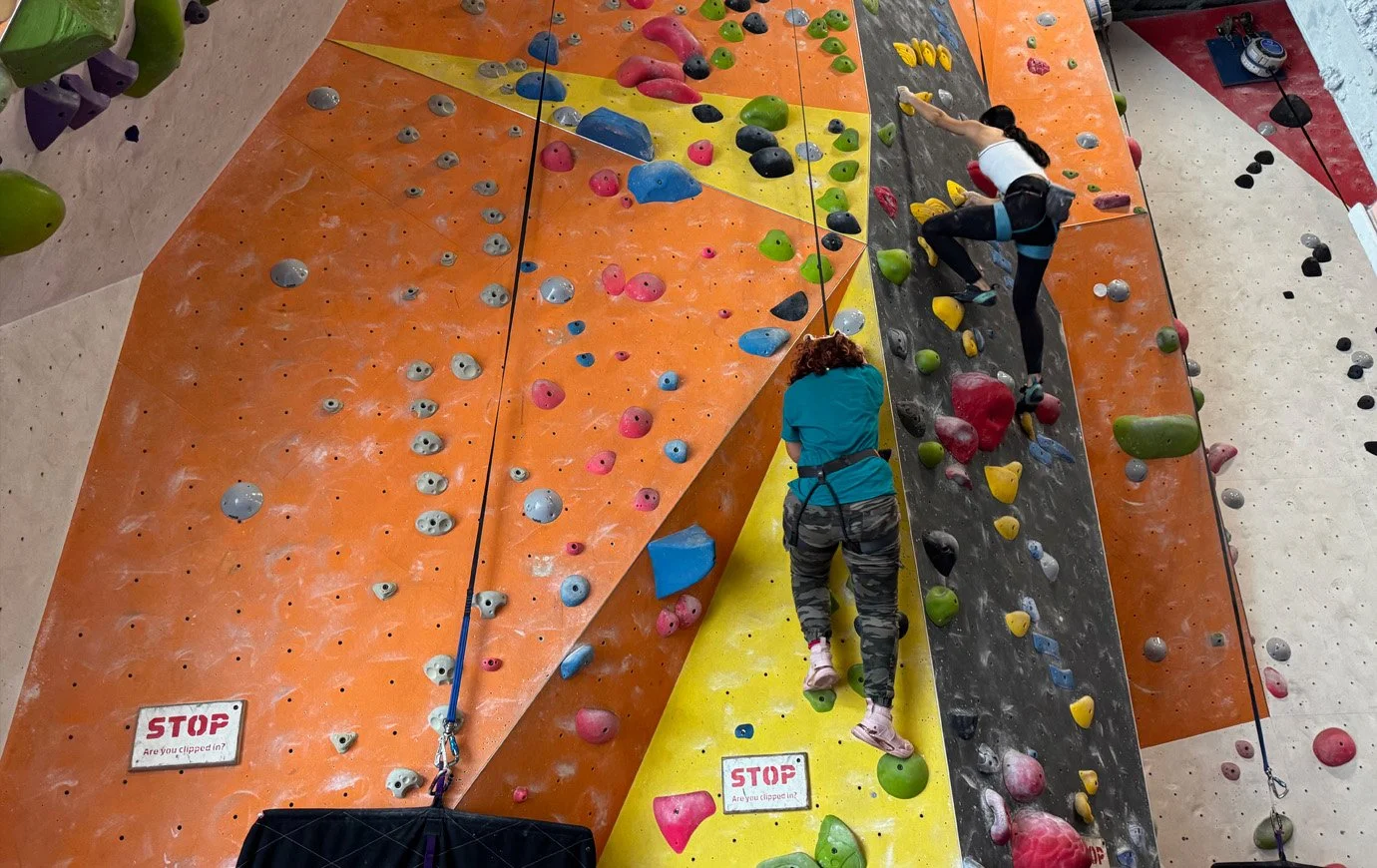
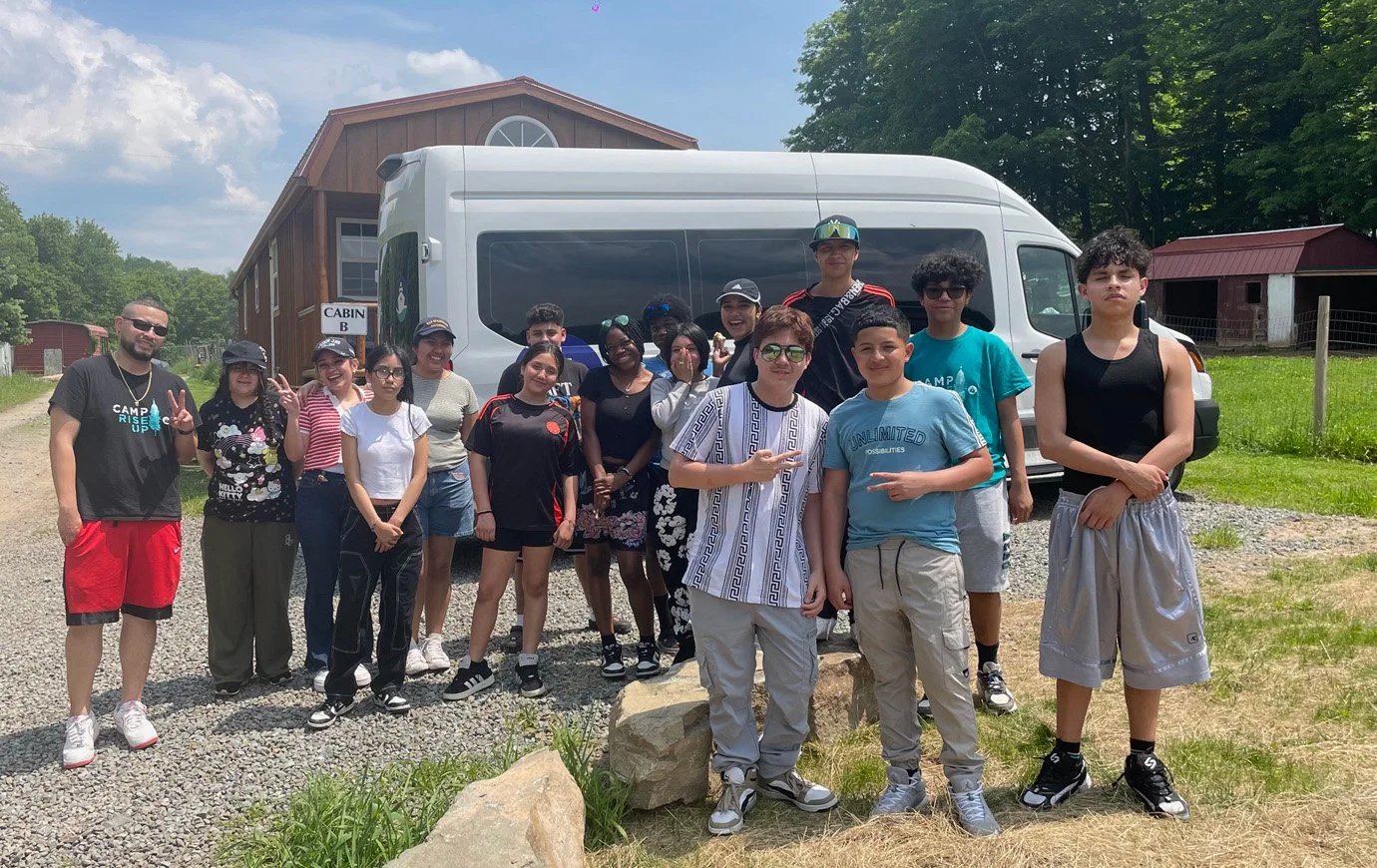
Although SOAR is a day camp, its campers have been treated to an “overnight experience” during reunions at a farm animal sanctuary in Pennsylvania, where they see and interact with animals, ride horses, swim in a nearby lake, and gather around a campfire for s'mores. Miller said the overnights, one of which is happening this week, offer a hint of what CRU is like when they’re ready.
All three camps hold reunions throughout the year, from pizza parties to special outings, keeping the community alive long after the summer ends. “I've always said that one of the most important things the camp does is give kids a chance to make friends who are in the same situation or have had similar experiences,” Miller said. “It's really nice to hear that they continue to hang out outside of camp.”
You can help
It costs about $1,000 to send each child in temporary housing to camp at no charge to them. You can support our camps and campers, or help them feel confident and prepared by supplying the gear they need—backpacks, towels, water bottles, camp clothes, hygiene kits, sunscreen, and more—for the experience of a lifetime. We welcome donations of any amount year-round, but especially now when each camp is on the horizon.