
When oranges turned to gold for the Guild
It was announced that a train car was on its way from California labelled conspicuously “Donated by the Southern California Fruit Exchange [later known as Sunkist], for the benefit of the poor, sick children of New York City, proceeds to be disbursed by St. John’s Guild of New York. Handled free of any cost from the producer to the consumer. For sweet charities sake.” (1) The previous year this same organization had donated to the Los Angeles Home for Indigent Children, and New Yorkers had bid over $2,000 in support of the L.A.-based charity, so this new auction was a thank you.
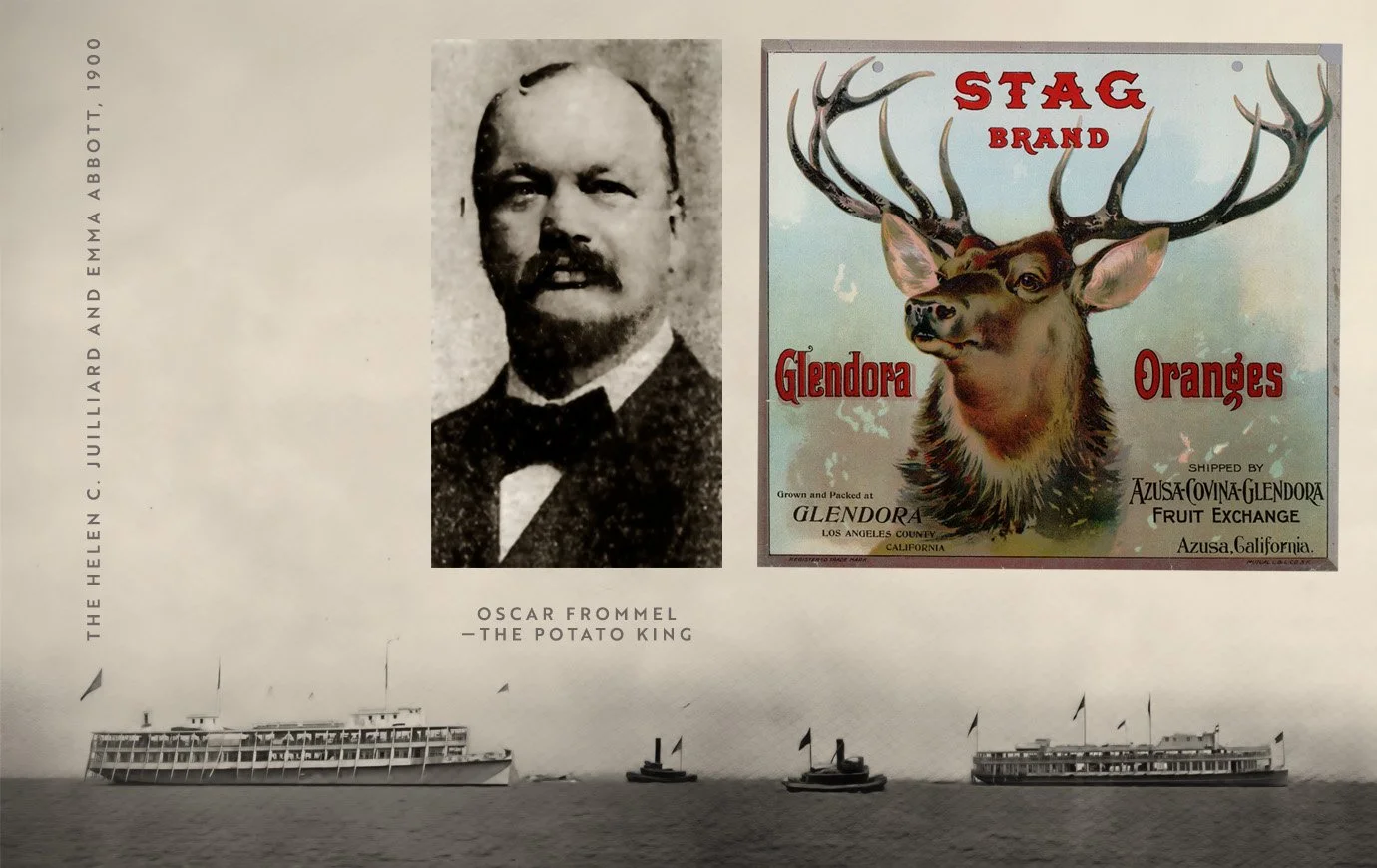
“The auction room yesterday was brilliantly decorated with bunting and flags,” reported the Times, while the Tribune described “Red Cross flags, the national bunting, the colors of all nations and the presence of women were some of the outward signs that the unusual was looked for in the crowded auction room.” (2) The Times wrote “the occasion drew some of the best known persons in philanthropic circles, who vied with each other in sending up the market price of oranges and giving a large fund to the Guild.” Ex-Mayor Strong received a rousing welcome as he took his seat in front of the auctioneer. First up was a box of ‘Stag’ brand naval oranges. Bidding started at $25 and ended, to a round of applause, at $105. There was more applause still when the buyer, Mr. Howell of C.F. Lyon & Co. called out to “sell ‘em again.” The box started at $25, jumped in $25 and $10 bids, and ended at $270, to Oscar Frommel, the ‘Potato King,’ for the New York Fruit and Produce Dealers. Mr. Frommel then ordered that the $375 box of oranges, the Buffalo Times referred to them as golden fruit, be sent to the Five Points House of Industry. The rest of the boxes went for lesser amounts, and all were forwarded by their purchasers to hospitals and homes for the poor. (3)
“When the sale closed, three rousing cheers were given for the growers who had given the fruit, for the Santa Fe and New York, Lake Erie and Western Railroads which had carried it free; for the express companies, which will deliver the fruit for free to the buyers; for the auctioneer, who sold it without cost, and for the buyers, who had responded so liberally. (4)
There were 362 boxes in the car load, and they brought an average of about $13 a box. Col. Strong said it was “the best day’s work that had been done for the Guild in over twenty years.” It was reported the proceeds would enable 20,000 mothers and children to enjoy trips on the two Floating Hospitals.
The final auction price realized was $4,631.75 (just over $184,000 in 2026), said to be the highest price ever paid for a car load of oranges at the time.
Sources:
“For St. John’s Guild.” Brooklyn Eagle, March 24, 1900
“Three Dollars for an Orange. Fruit sold at that rate at St. John’s Guild auction—$4631.75 realized.” New York Tribune, March 30, 1900
“Golden Fruit. Carload of oranges sold for charity. Gift of the growers.” The Buffalo Times, March 30, 1900
“All for St. John’s Guild. Southern California Fruit Growers add to its fund. Nearly $5,000 realized from their gift of oranges—return for New Yorker’s generosity.” The New York Times, March 30, 1900