
A New Way to Tell Our Story
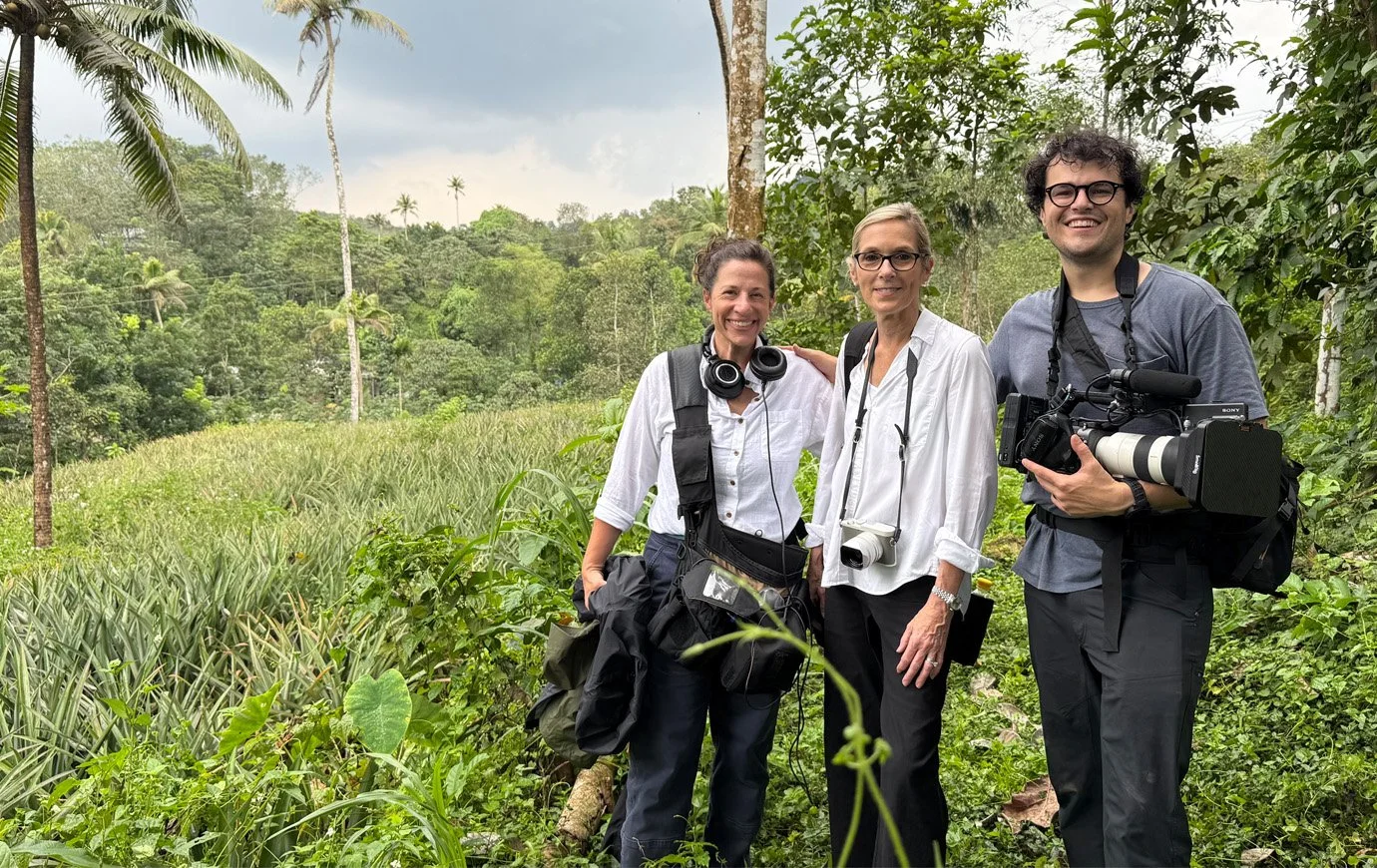
Carolyn Jones, center, with Lisa Frank and Rob Gourley, the director of photography in Kerala, India for their most recent film, A Long Way to Go.
For 160 years, The Floating Hospital has addressed the needs of the marginalized and vulnerable in New York City. Beginning in lower Manhattan tenement buildings in the mid-19th century, continuing with ships that circled New York Harbor, and eventually in the modern clinic we have today in Long Island City, we have seen to it that the hungry are fed, the sick are treated, and those needing education in health and self-care receive it.
Throughout our journey, the families we have served have revealed compelling stories of courage and strength, built on their determination to survive their immediate crises and eventually thrive as they pursue new permanent housing, education, and employment opportunities. We regularly share these stories, through articles, a yearly gala video, and our annual appeals, to help our supporters understand how vital our work is to the thousands of people with little to no resources whom we see each year.
Putting these stories in focus
Now, the stories of our patient families could be highlighted and shared in a new way, with a reach far beyond our loyal and generous base of supporters.
Carolyn Jones and Lisa Frank of Carolyn Jones Productions are investigating themes for a possible documentary centered on these families and individuals and the services we provide them.
Jones said that on a personal level, the stories of The Floating Hospital touch on themes “that I care deeply about: people falling through the cracks in our country, and a safety net that's diminished left and right.”
She described Frank and herself as storytellers. “We go out and find stories of human beings who we're inspired by… people who have overcome great odds, or people who are helping one another and stepping out of their comfort zone to do that.”
They want to know, “Who are these people? Why do they do that? Who are they helping? And what difference does it make in a community or in our society when someone's lifted out of a desperate situation and put into one where they can survive and hopefully thrive?” Jones said those are stories they love to tell. “We could stand a lot more of them in this country right now.”
A health-care connection
The filmmakers said they were introduced to The Floating Hospital by Board of Trustees member Madeline Naegle, professor emerita, nurse psychotherapist and global mental health consultant, the New York University Meyers College of Nursing.
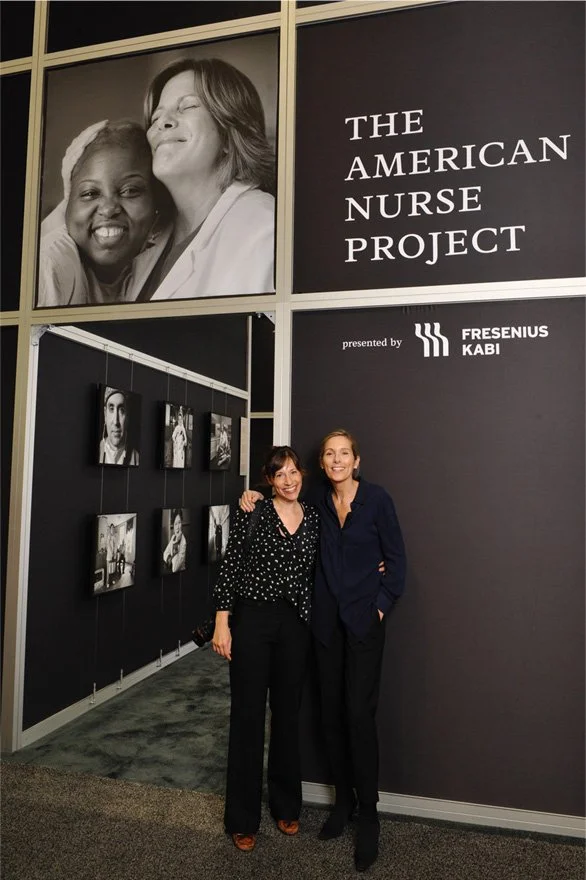
The role of nurses in health care is key to this connection. Jones and her team have devoted their previous projects to healthcare, beginning with nursing. Their first project, The American Nurse, looks at the prison system, poverty and care to American service personnel through the viewpoint of the nurses providing that care. Other projects include American Delivery, which is currently streaming on PBS.org, about the maternal mortality crisis in our healthcare system. In Case of Emergency presents hospital emergency departments stretched to the brink by the needs of uninsured and vulnerable populations.
“I've known of Carolyn and Lisa’s work since they became involved with the American Academy of Nurses and the American Nurses Association,” Naegle recalled. “In 2022, Carolyn was made an Honorary Fellow of the academy. Their work on the roles of nurses in quality health care has been outstanding.”
Window into a humanitarian crisis
Naegle set up a tour of our facilities and after “seeing what is offered and who the people are that work there, that was it,” Jones recalled. “We saw so many powerful stories that people should hear.”
Describing their unique role in capturing these stories, they said that, during the past two decades, their work has involved “securing access to medical institutions and gaining the trust of people dealing with the most challenging times in their lives, but who nevertheless want their stories to be told.”
The Floating Hospital has shared similar stories about the families who receive our care. We hope that a documentary from award-winning filmmakers with the potential to reach a broad national audience will offer a window into a growing humanitarian crisis facing low-income families and domestic violence survivors in New York City.